Concrete

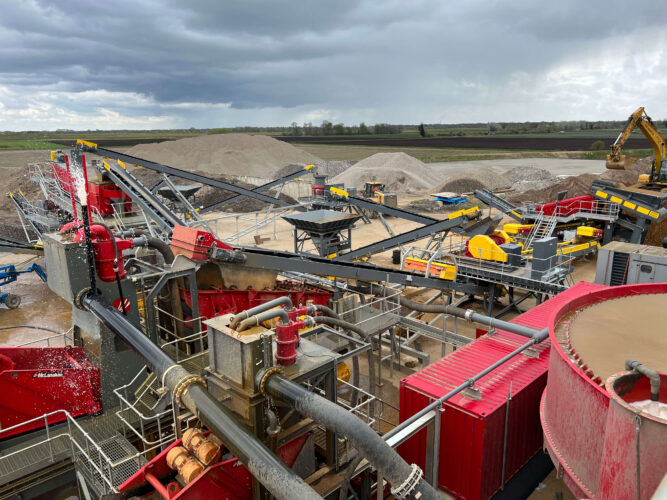
Concrete is a composite material composed of water, aggregates (such as gravel or sand) and cement. Concrete is used in building structures, infrastructure projects, for public works and in residential applications such as driveways and retaining walls. The importance of concrete stems from its durability and strength, making it a cost-effective solution for a range of industries. Concrete is fire-resistant and versatile, able to be molded into any shape or design. McLanahan can help producers recycle their concrete waste by recovering reusable material. This helps to reduce haulage and storage costs, as well as tipping fees and allows producers to develop an alternative revenue stream for on-site debris.
Concrete processing and its uses

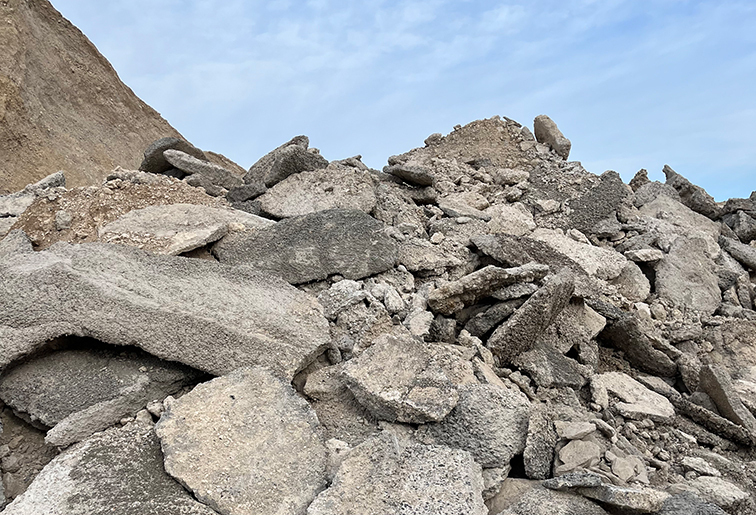
Excess concrete leftover after returning from a job is a challenge all concrete producers have. Whether it is dried concrete or concrete washout water, operators need to dispose of leftover waste responsibly. Concrete waste can be reprocessed to allow operators to reuse aggregate, and recycled concrete washout to reduce freshwater requirements at batch plants.

Horizontal concrete

DRY PROCESSING

Crushing

Crushers are used in the concrete industry in a variety of ways. The first is for the crushing of virgin aggregates – breaking down larger chunks of aggregates prior to mixing or blending with cement to ensure a quality mixture, improving strength and durability of the final product. Crushers can also be used to recycle concrete recovered from C&D debris streams for use in new construction projects. This allows operators to engage in sustainable construction practices and reduce the amount of waste going to landfill.

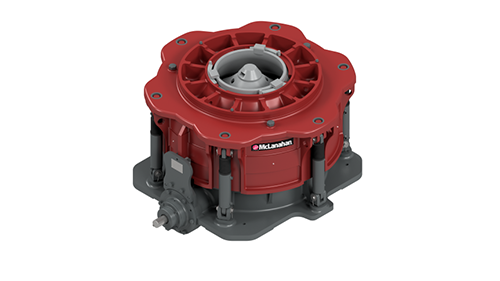
Suitable crushers in the concrete industry can include Cone Crushers, Impact Crushers and Jaw Crushers.

Concrete Washout Management

WET PROCESSING

Washing and Filtration

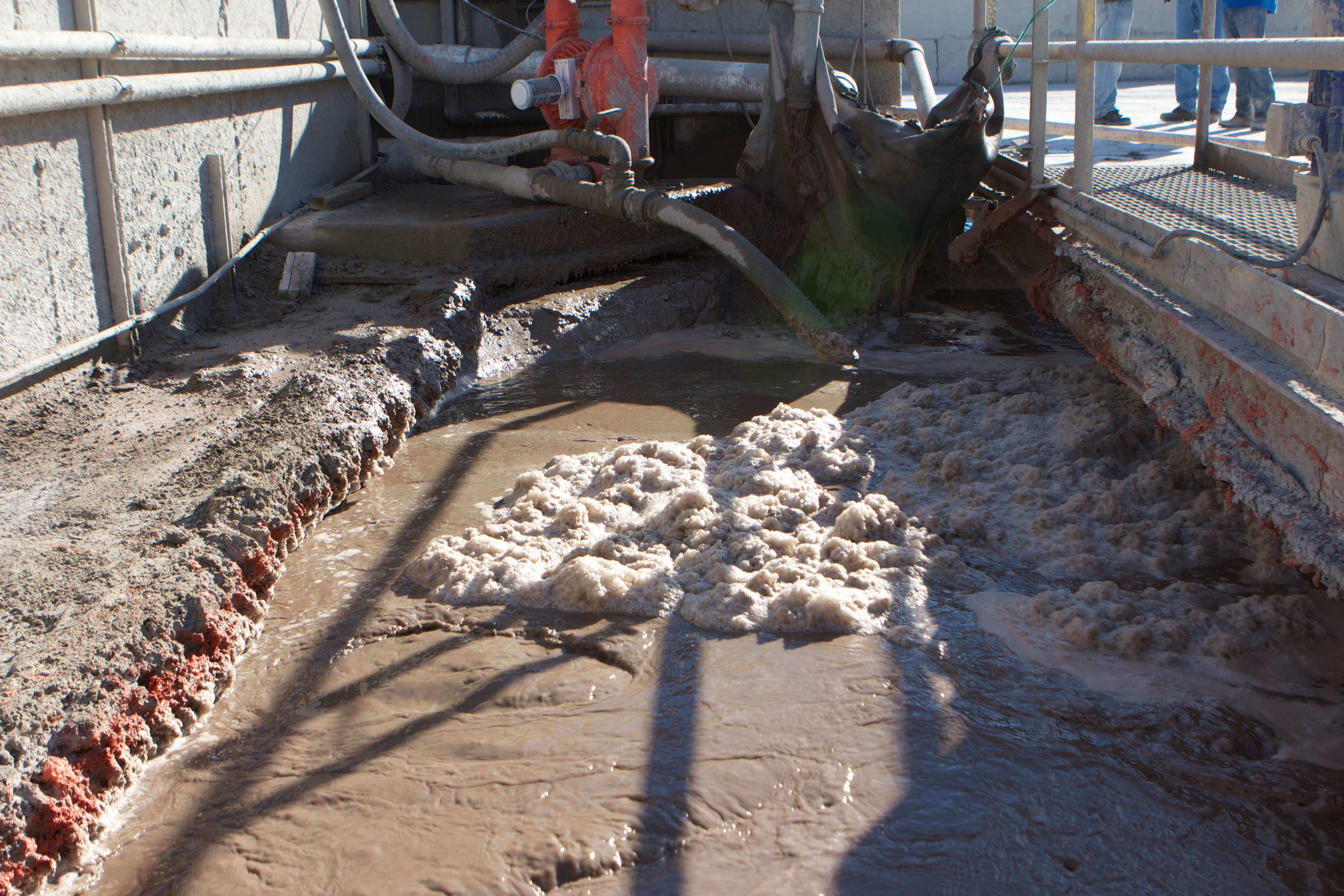
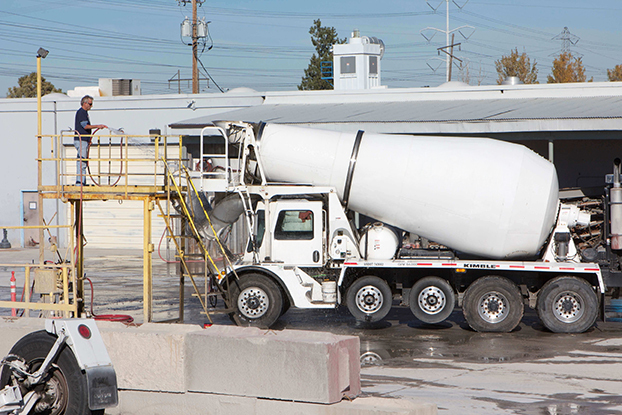
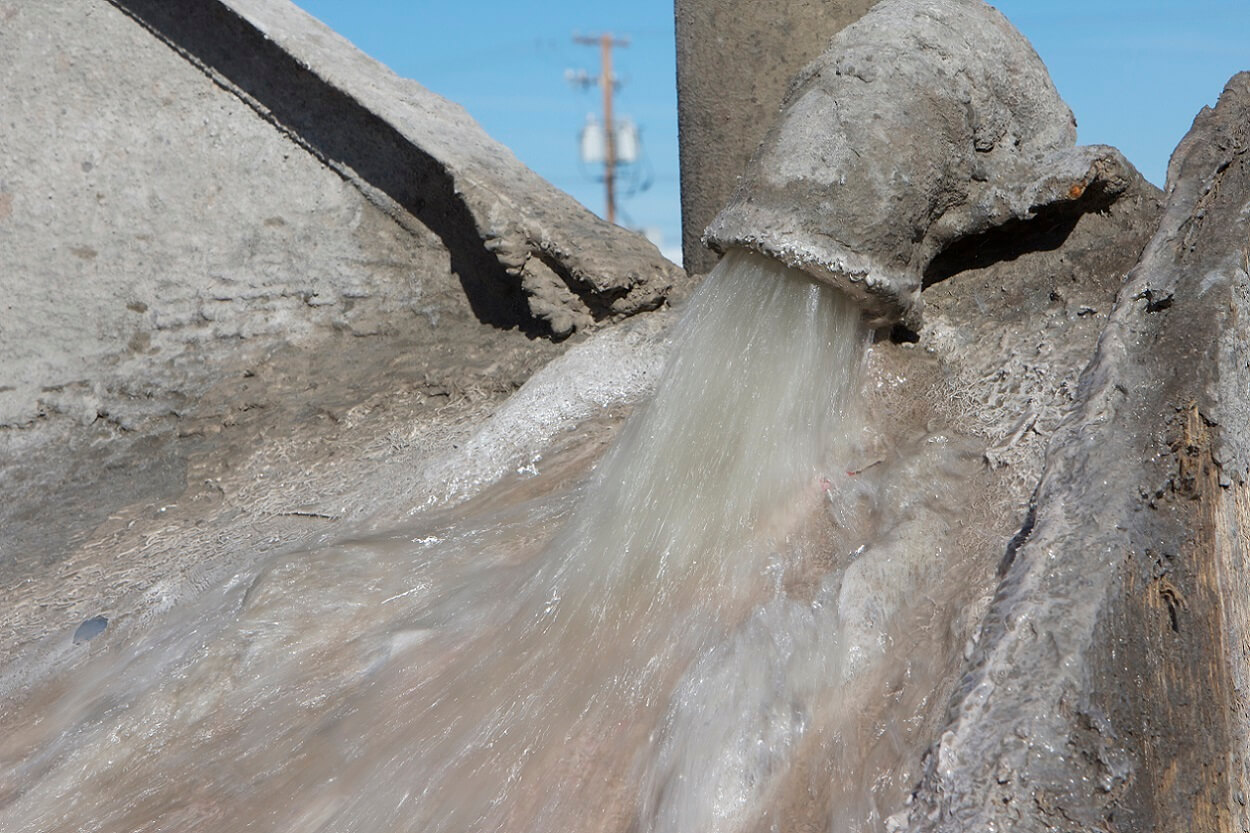
When concrete trucks return from site they are washed down, and the mixer drum is rinsed to remove concrete remnants, prevent buildup and allow the truck to be refilled with fresh concrete for the next job. 

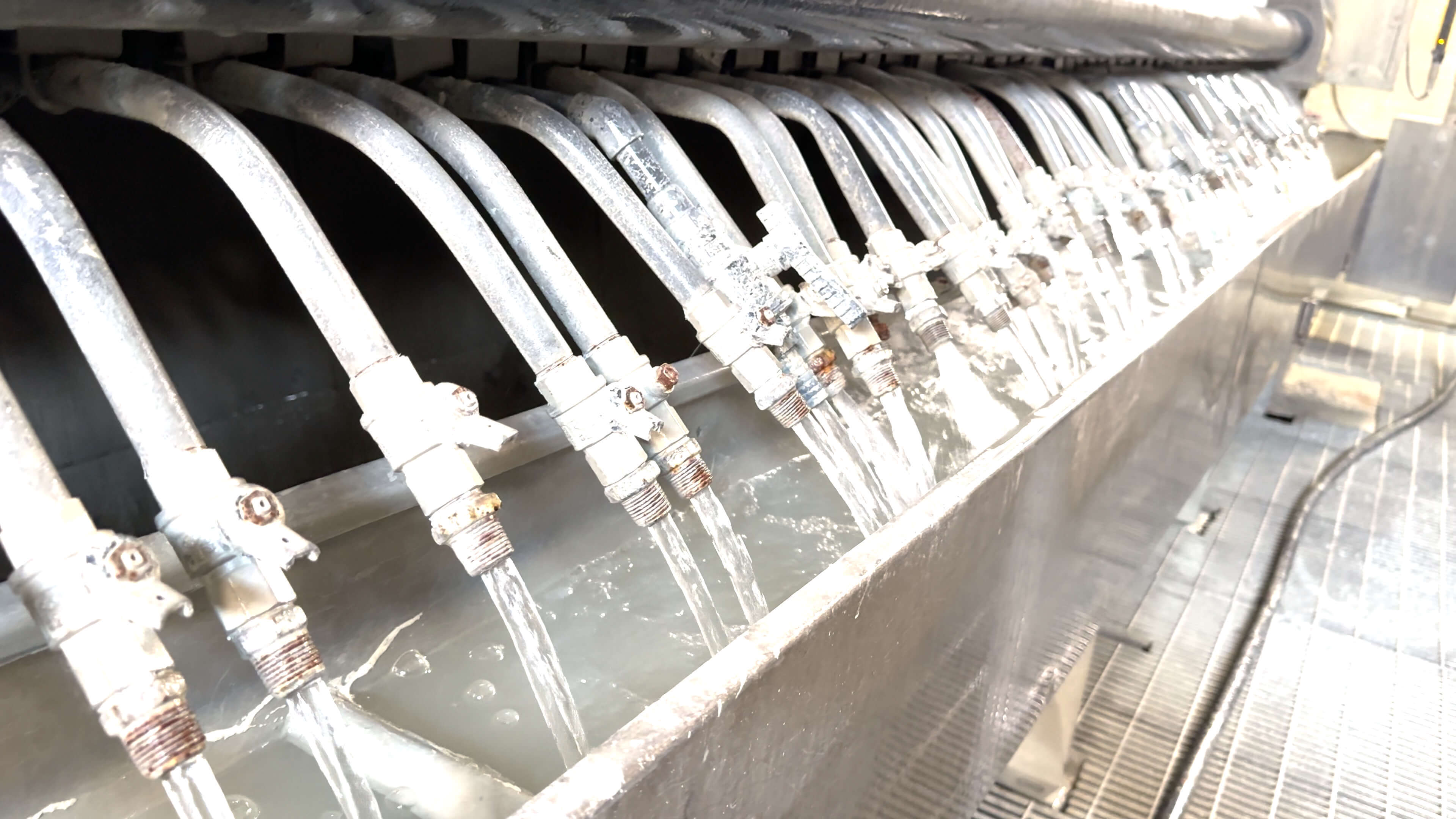
The waste stream produced from this process is a liquid known as concrete washout. The concrete washout will require storage onsite until completely dry and ready for transport to a recycling facility or landfill.

Operators can regain valuable site space, reduce truck movements and tipping fees associated with disposal by recycling their concrete washout for reuse on site.

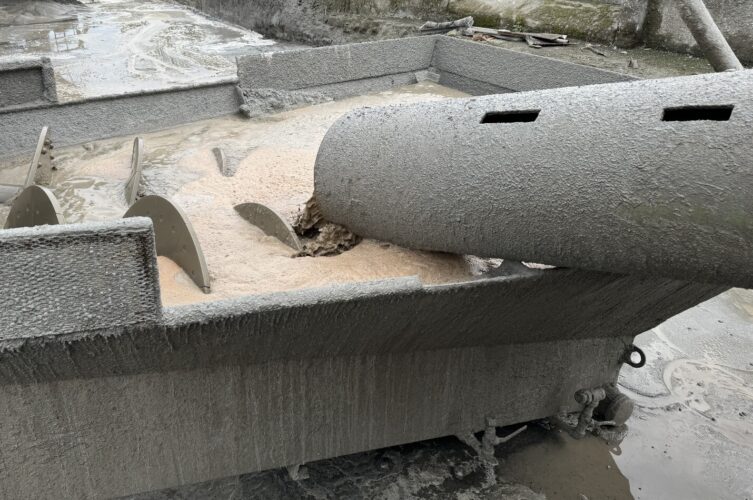
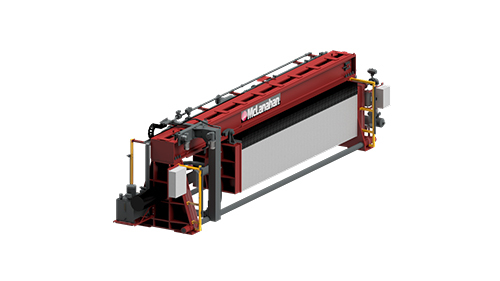
Equipment can include Coarse Material Screw Washers, Fine Material Screw Washers, Filter Presses and Trommel Screens to separate solids and liquids. This allows operators to reuse process water immediately on site, saving costs associated with freshwater purchases.

Ready-Mix Company Recycles Concrete Washout for Reuse with McLanahan Fine Material Screw Washer

Learn More

Benefits of Working With McLanahan In Concrete

IMG 0856

Reduce the size of construction debris

Reducing the size of construction debris has numerous advantages, including improved safety, ease of material handling and transport, and decreased waste disposal costs. McLanahan can help producers achieve these benefits by reducing debris size with primary, secondary and tertiary crushing, as well as screening solutions.

Concrete truck washout

Contributes to a circular economy

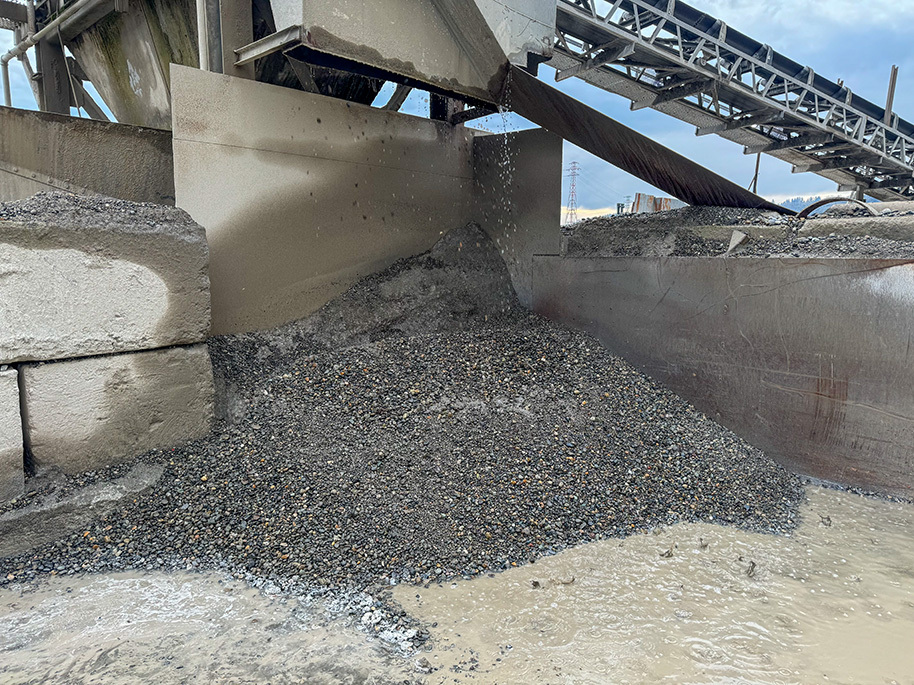
Recycling concrete material from C&D projects reduces the amount of waste going to landfills as well as limits the need for virgin materials. By using recycled concrete, producers minimize transport costs and conserve natural resources. McLanahan can help producers to reduce their waste stream by effectively reusing products, contributing to a circular economy.

IMG 04070

Reduce ongoing site costs

Reduce the area required for storing concrete washout solids and regain valuable site space by incorporating an integrated washout recycling system to separate and recover aggregate and process water effectively. A closed-loop approach reduces waste disposal fees, lowers freshwater consumption and turns dried solids into a recoverable resource.