Aggregates

Aggregates is a broad term for rock, stone, sand, gravel and recycled concrete used in the building and construction industry. Aggregates are the main components that make up asphalt, concrete and other materials. Due to their robust composition, these materials can be used in the construction of bridges, roads, sidewalks, buildings and more. McLanahan aggregate processing solutions can help your operation to create in-spec products, allow for quicker product resale and recover immediately reusable process water.

How is aggregate material produced?

Aggregates are found in natural deposits, but may also be produced through the recycling of construction and demolition waste. Once these deposits are identified, sand, stone and gravel can be extracted via excavation, blasting or dredging. Aggregate material is then sent for further processing.

Image00006 3

Dry Processing

Crushing & Screening

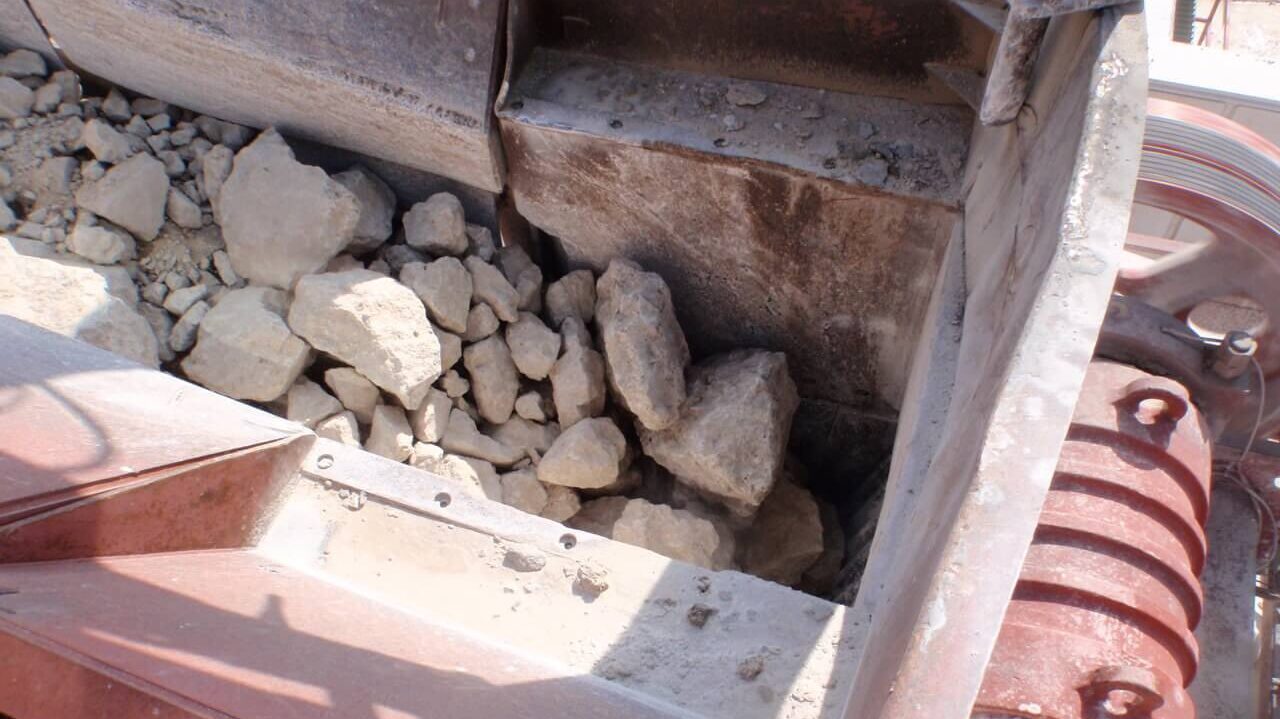
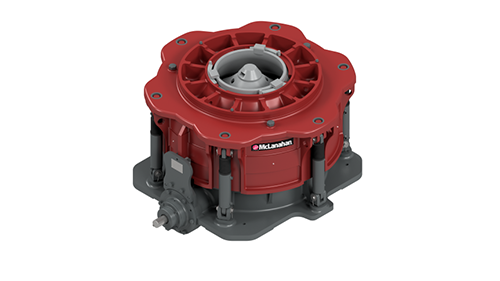
The goal of crushing aggregates is to reduce the size of the material for further downstream processing. There are several stages of crushing – primary crushing, secondary crushing, and depending on the application, tertiary and quaternary crushing. Aggregate crushing is typically done with equipment such as Cone Crushers, Impact Crushers or Jaw Crushers, which are all usually used in a primary crushing capacity. Ensuring the right primary crusher selection is imperative for effective downstream processing, which may include additional crushing stages to refine product size and shape.

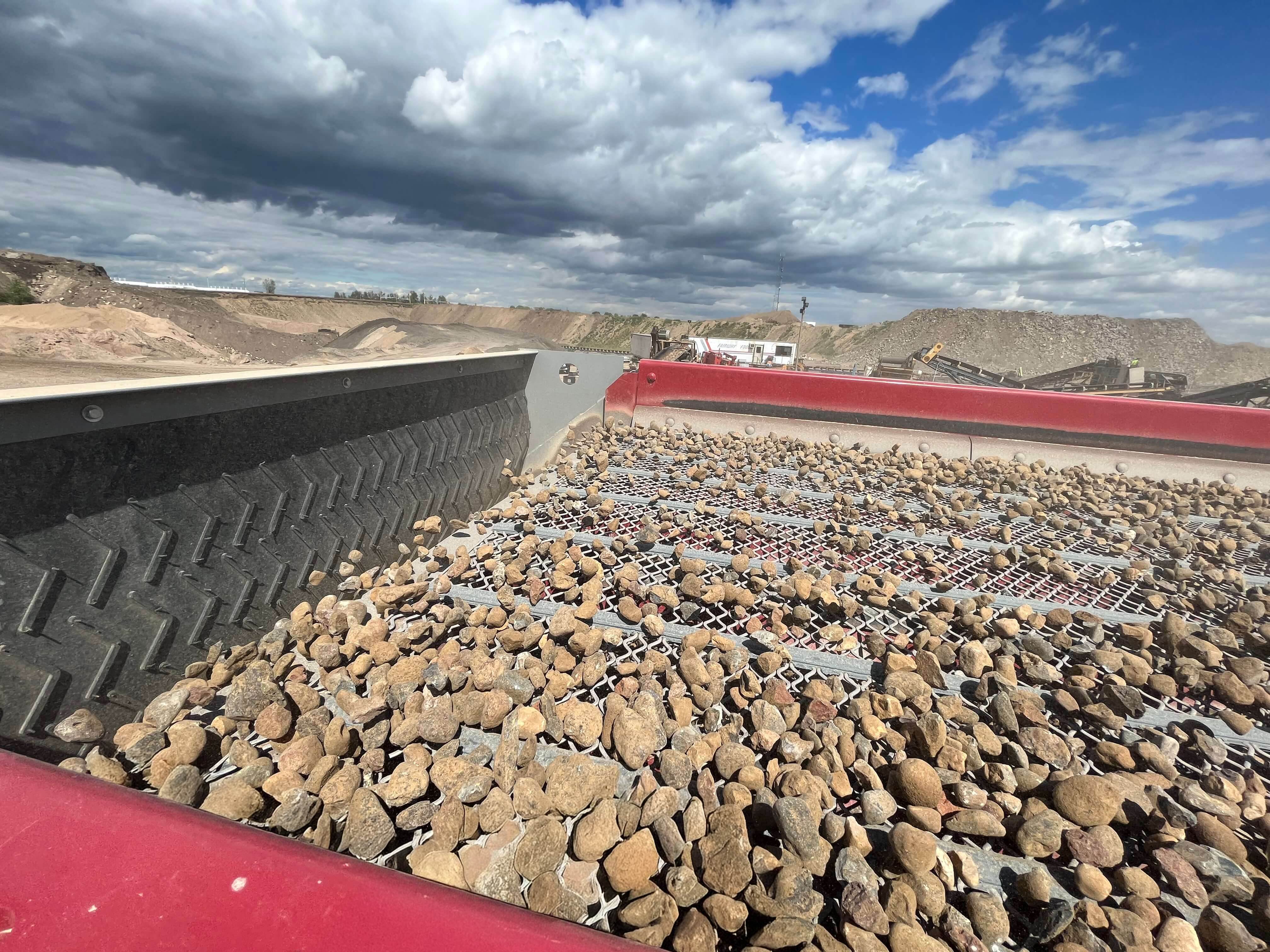
Once the material has been crushed, it is then screened to split it into different sizes. Screening is performed to sort and separate a material stream based on particle size to create various products. Screening equipment can include Horizontal Screens, Inclined Screens and MD Vibratory Screens. Read more about questions to ask when sizing screening equipment.

Wet Processing

Washing, Classifying & Dewatering

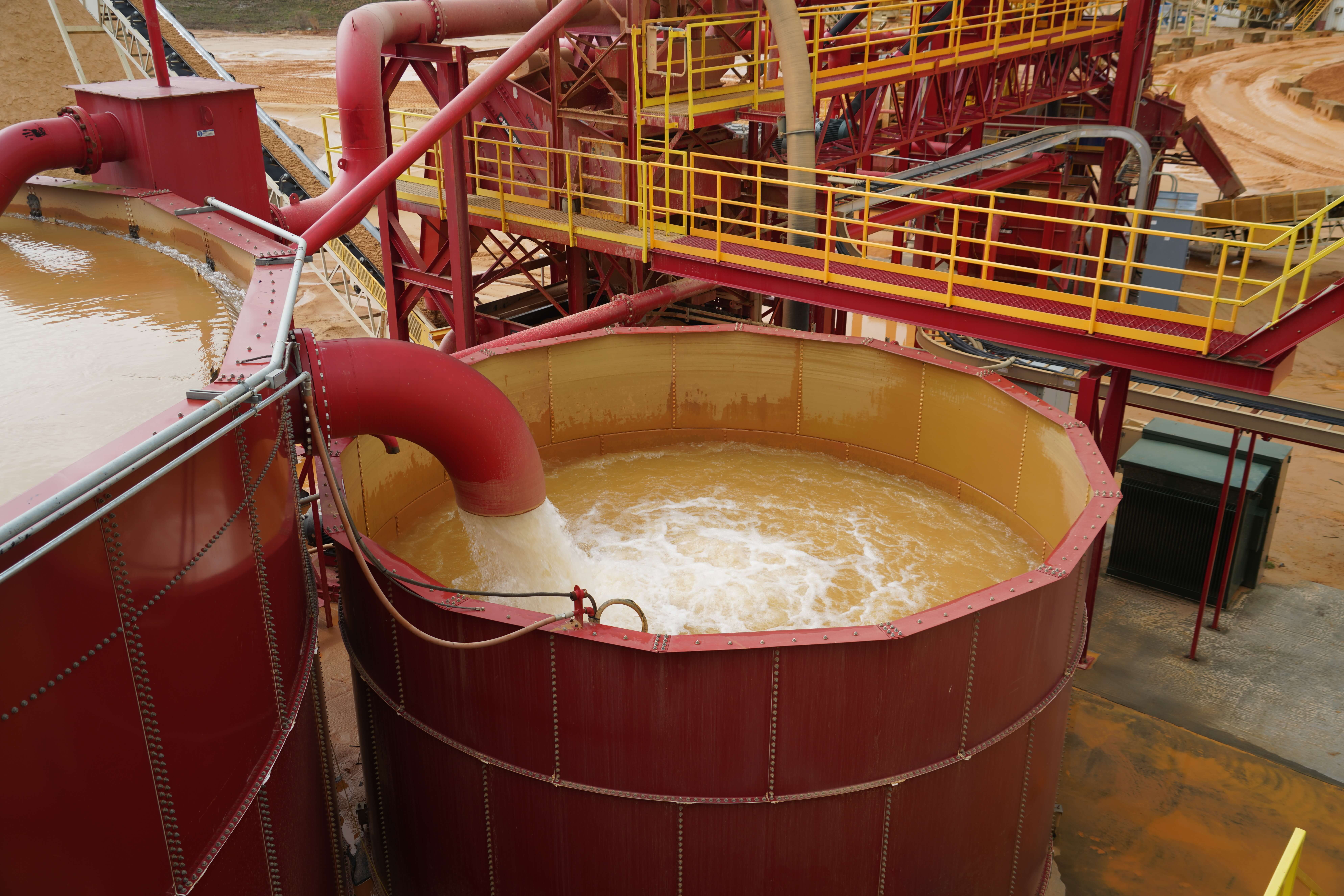
Washing involves removing dirt, silt, clays and other deleterious material from the raw product. This is an important step in aggregates production, as the removal of these impurities will ensure structural stability, aesthetics and a cleaner final product. Equipment such as Classifying Tanks can be used to help further separate material by size.

Once the material has been crushed to size and washed free of contaminants, it is then dewatered. Dewatering is performed to remove excess moisture from the product to allow for additional processing or for material handling. The dewatering process separates solids from liquids and can allow for the recovery of fine particulates that can be reprocessed or used as an additional revenue stream for the operation.

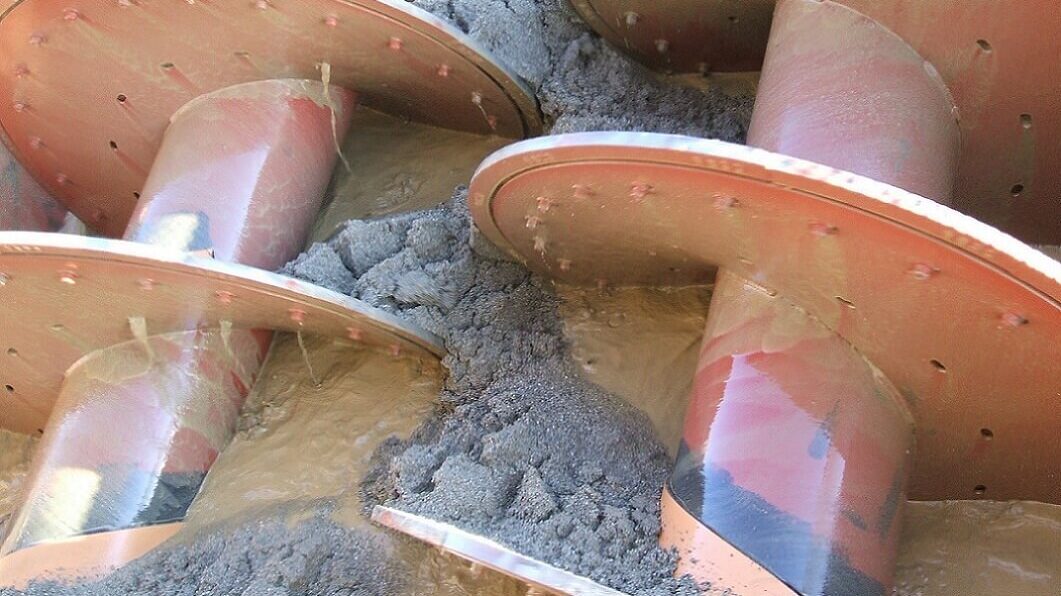
McLanahan equipment such as Fine Material Screw Washers, Hydrocyclones, Separators™ and Dewatering Screens can be used as standalone equipment or in complete systems to wash and dewater material.

Read our Complete Guide to Washing & Classifying to find out more about our washing solutions.

DSC08022

Filtration & Waste Processing

Fines Recovery & Tailings Management

Tailings management is a broad term used to describe the separation of raw aggregates from the waste by-product that occurs when extracting aggregates from the ground. Optimized fines recovery and tailings management can provide numerous benefits to producers such as regulatory compliance, water conservation and improved plant operations.

Aggregates producers can optimize their operations by reclaiming fine particulates for further processing. Reusing process water will also allow producers to decrease costs and provide an environmentally sustainable alternative for water management.

Fines recovery is used to reclaim ultra fine particles as low as 75 µm (200 mesh), such as dust, dirt or fine silt, from the waste stream produced by the wet processing of aggregate. This is used to reduce the volume of material reporting to settling ponds, reducing pond maintenance and cleanout costs. In some cases, recovered solids can be sold and/or used as fill material. These fines can be processed using equipment such as Hydrocyclones and Separators™.

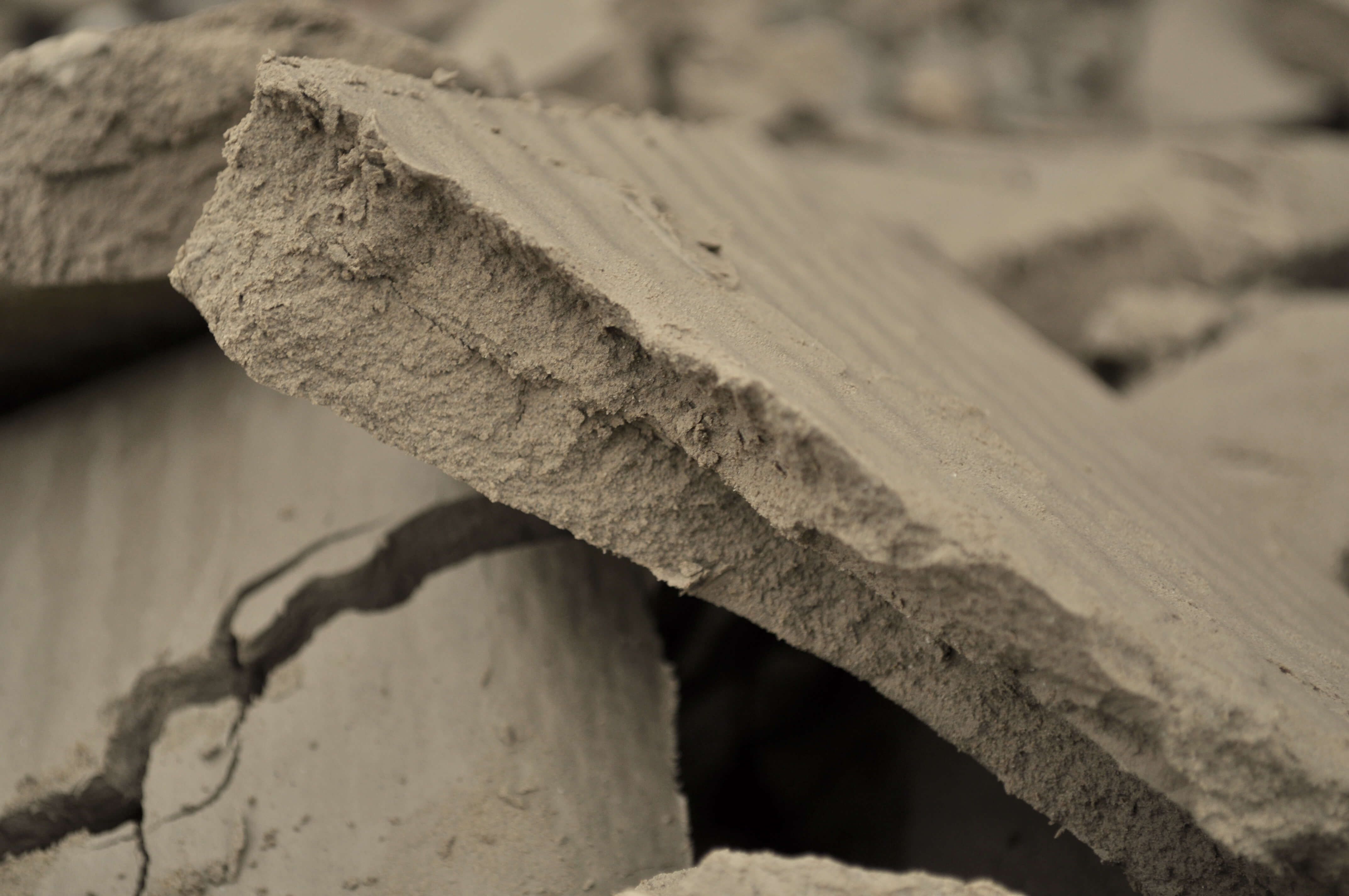
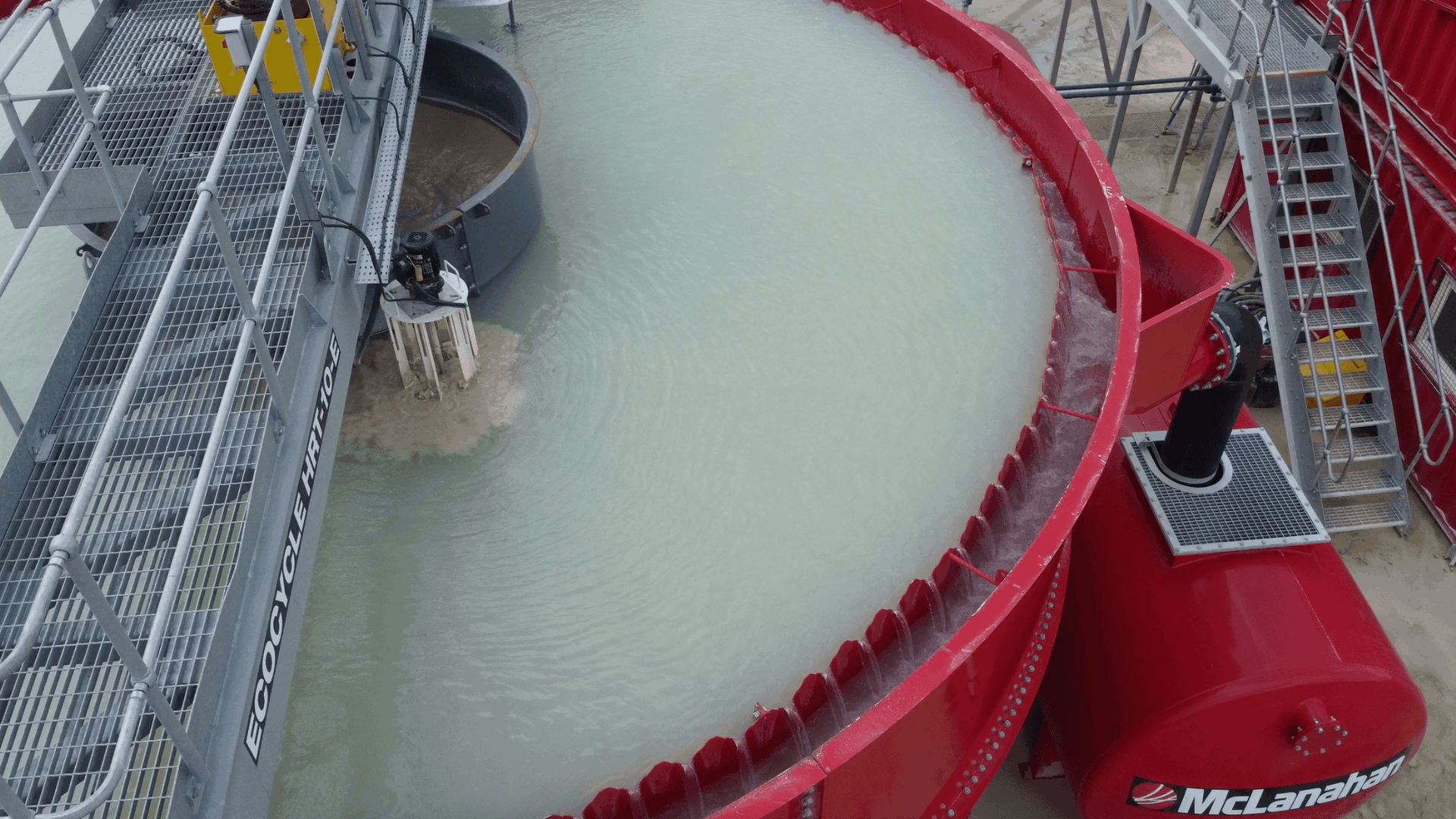
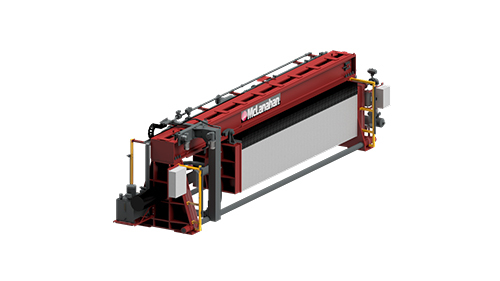
Solids and liquids are separated into two separate waste streams using equipment such as Filter Presses or Thickeners.


What are the different types of aggregates and their uses?

Aggregates can be broken down into two classifications – fine aggregates and coarse aggregates, both of which can be produced from virgin or recycled aggregates. Selection and application depend on the projects’ requirements, availability of product and cost of product.

Types of aggregate

Coarse aggregates are typically larger than 4 mesh or 5mm in diameter and have a variety of classifications including: 

  • Gravel is most commonly used in applications such as concrete production, road construction, drainage systems and landscaping purposes.
  • Crushed stone (such as granite and limestone) requires additional processing to produce in-spec material, whereas gravel does not typically require any sizing.
  • Granite has a variety of applications ranging from support pillars and cosmetic home enhancements such as benchtops, flooring, paths and patios to external cladding and building blocks. In a construction capacity, granite is commonly used for bridges, buildings, and pavement. Read more about Granite processing here.
  • Limestone is a flexible material, capable of being used in many industries such as construction, landscaping, horticulture and agriculture. Limestone is an essential ingredient in the composition of concrete, as well as being a component in road base. Read more about Limestone processing here.
  • Shale is a sedimentary rock, comprised of mud and clay flakes. Shale is characterized to split into many thin layers (more commonly known as fissility) and can be used in applications such as tile, brick or even pottery, and is a major source of alumina in the composition of Portland cement. Read more about Shale processing here.

Fine aggregates are defined as any aggregate whose diameter is less than 4 mesh or 5 mm.

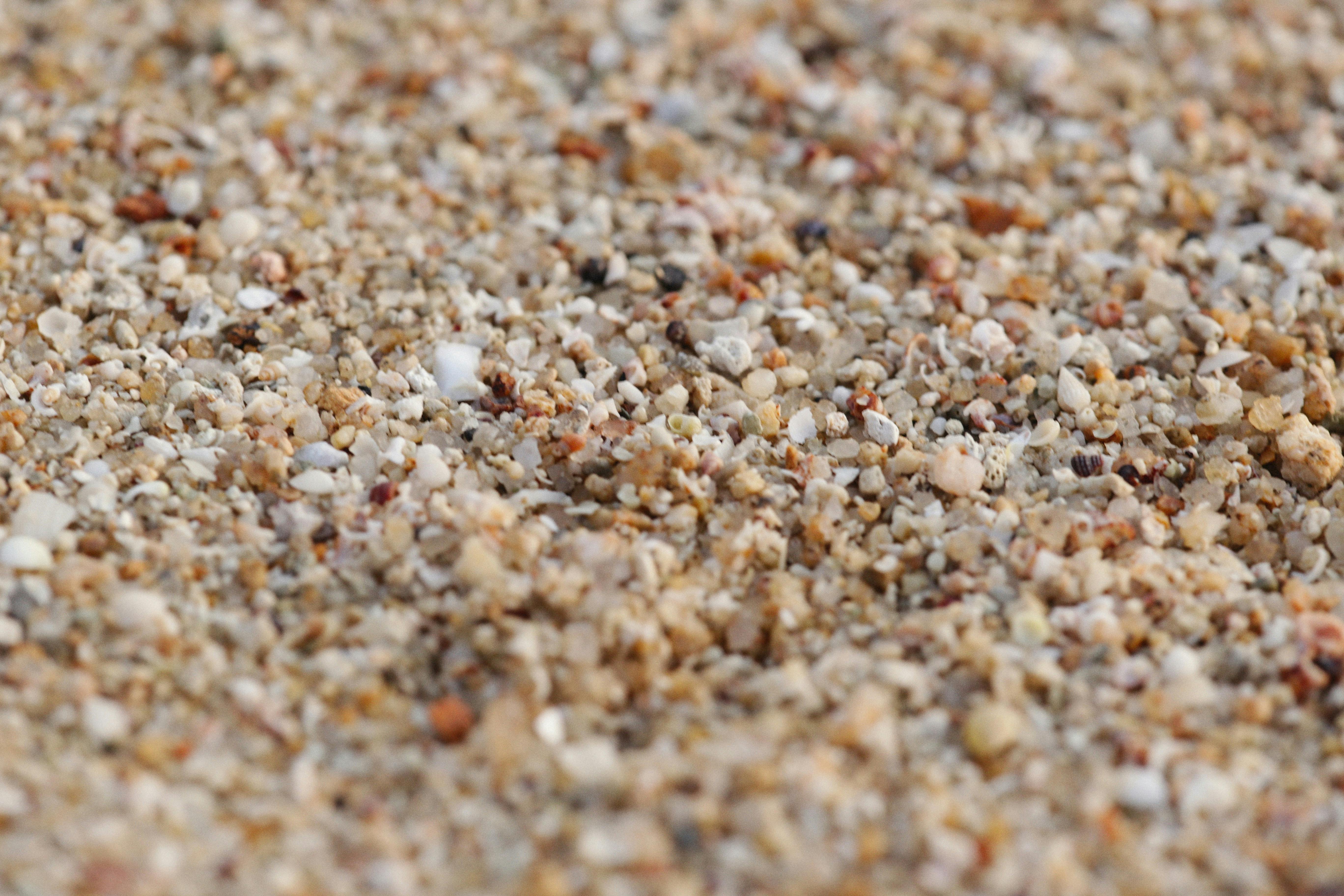
Sand, the most common fine aggregate material, is composed of rock and mineral particles. Sand is a key component in many common construction applications such as concrete, asphalt and mortar.

The versatility of sand means that it can be used to improve compressive strength in concrete and construction materials, as well as improving workability – the right blend makes for easier mixing, placement and finishing of concrete.

Sand grading allows sand particles to be sorted based on size for use in different construction applications.

Read more about Sand and Gravel processing here.
 

Recycled aggregates are materials recovered from construction and demolition, asphalt pavement and other building applications. Through the reuse of recycled aggregates, material can be repurposed to reduce waste going to landfill and create a sustainable construction strategy.

Recycled aggregates do differ from virgin aggregates (naturally occurring sands, rocks and gravel) and care should be taken when selecting the right materials for a project.

Read more about the differences between recycled and virgin aggregates here.

Hi-Grade Materials Doubles Sand Production with McLanahan Equipment

Learn More

Benefits of Working With McLanahan in Aggregate

Create an in-spec product

McLanahan’s washing, classifying and scrubbing solutions allow producers to create clean, in-spec products that meet construction aggregate requirements as well as specialty products for niche markets. McLanahan tests samples of the feed material ahead of projects to ensure the right equipment is selected for the job. With decades of process knowledge and field-proven experience with aggregate systems, McLanahan backs its systems with service and support for the lifetime of the equipment.

Test images 4

Lower moisture content

McLanahan’s dewatering solutions remove excess water from sand products to allow for quicker resale. Lower moisture content in the final product means that the sand won’t have to sit in the stockpile to drain as long before it can be sold. This also allows for cleaner stockpiles, as less water in the final product means less water will leach out and pool around the stockpiles. By removing excess water from the sand, McLanahan’s dewatering solutions also reduce conveyor belt maintenance. Dewatered sand doesn’t stick to the conveyor belt as easily, limiting the need for belt scrapers and reducing spillage by the return conveyor, which improves site housekeeping by creating less mess underneath conveyors.

DSC 0150

Eliminate tailings ponds and increase fines recovery

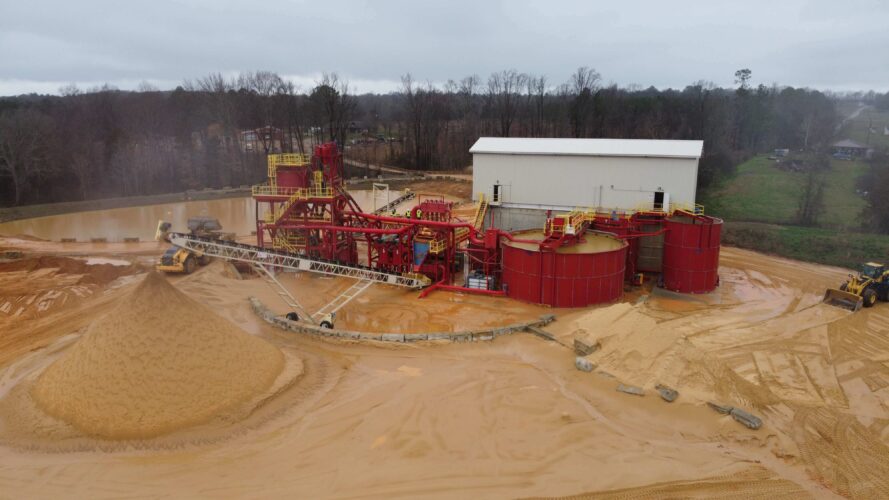
McLanahan’s tailings management solutions allow aggregate producers to recover immediately reusable process water and reduce the volume of material reporting to settling ponds. Recovering process water for reuse in the wet plant reduces the need for freshwater, which is beneficial where water is scarce or expensive to buy. Reducing the volume of material destined for the settling pond decreases the size of pond required and can potentially eliminate the need for a settling pond altogether. This allows land to be freed up for other activities and can help alleviate permitting issues. Depending on the tailings management solution, producers can also potentially create a drip-free solids product from the waste stream that can be sold as backfill or used for site reclamation.
Water coming off thickener 2