Coal

Coal consists mostly of carbon but also contains smaller trace amounts of hydrogen, sulfur, oxygen and nitrogen. As a sedimentary rock, coal was initially formed millions of years ago and began as plant matter. Over time, the plant matter decayed into peat, where layers of sediment built up over time, creating an increase in pressure and temperature. This build up causes the peat to undergo chemical and physical changes, stripping it of moisture and stabilizing it – this is known as the coalification process. The importance of coal comes from its versatile nature, being used for many applications such as power generation, industrial fuel, as well as by-products such as tar and ammonia.

What is the process of coal preparation?

The purpose of coal preparation is to ensure the final product meets contracted size and quality standards specified by site operations. To reach the correct specifications, there are several stages of processing that the raw coal must go through.

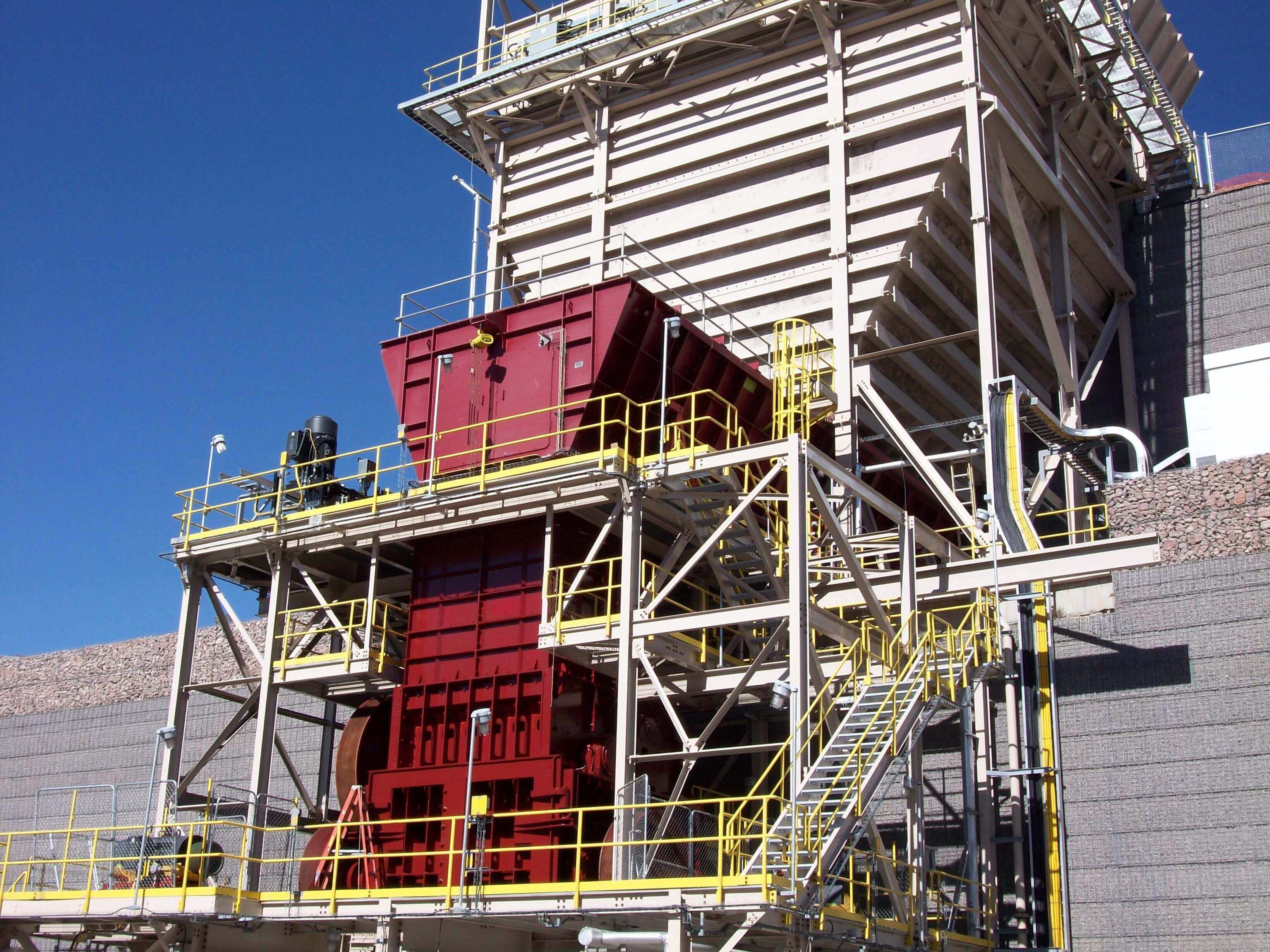
Westmoreland Kemmerer

Feeding & Crushing

The preparation process for coal first starts with the removal of the ROM coal from the ground, where it is then transported to a feeder. The feeder carries large lumps toward the primary crusher, which reduces the lump size for further downstream processing.

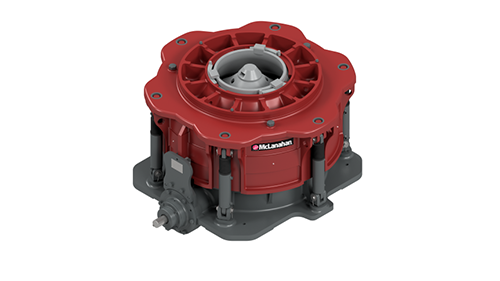
Suitable equipment for the feeding and primary crushing of coal includes Apron Feeders, Cone Crushers, Feeder-Breakers, Impact Crushers, Jaw Crushers, Reclaim and Drag Feeders, and Rotary Breakers.

Once primary crushing has occurred, the material will move to secondary crushing for further size reduction. Suitable equipment for secondary crushing of coal includes Impact Crushers, Roll Crushers and Sizers.

Depending on the final product size required by the operation, tertiary or quaternary crushing could be required. Read more about downstream crushing here.

Screening & Sizing

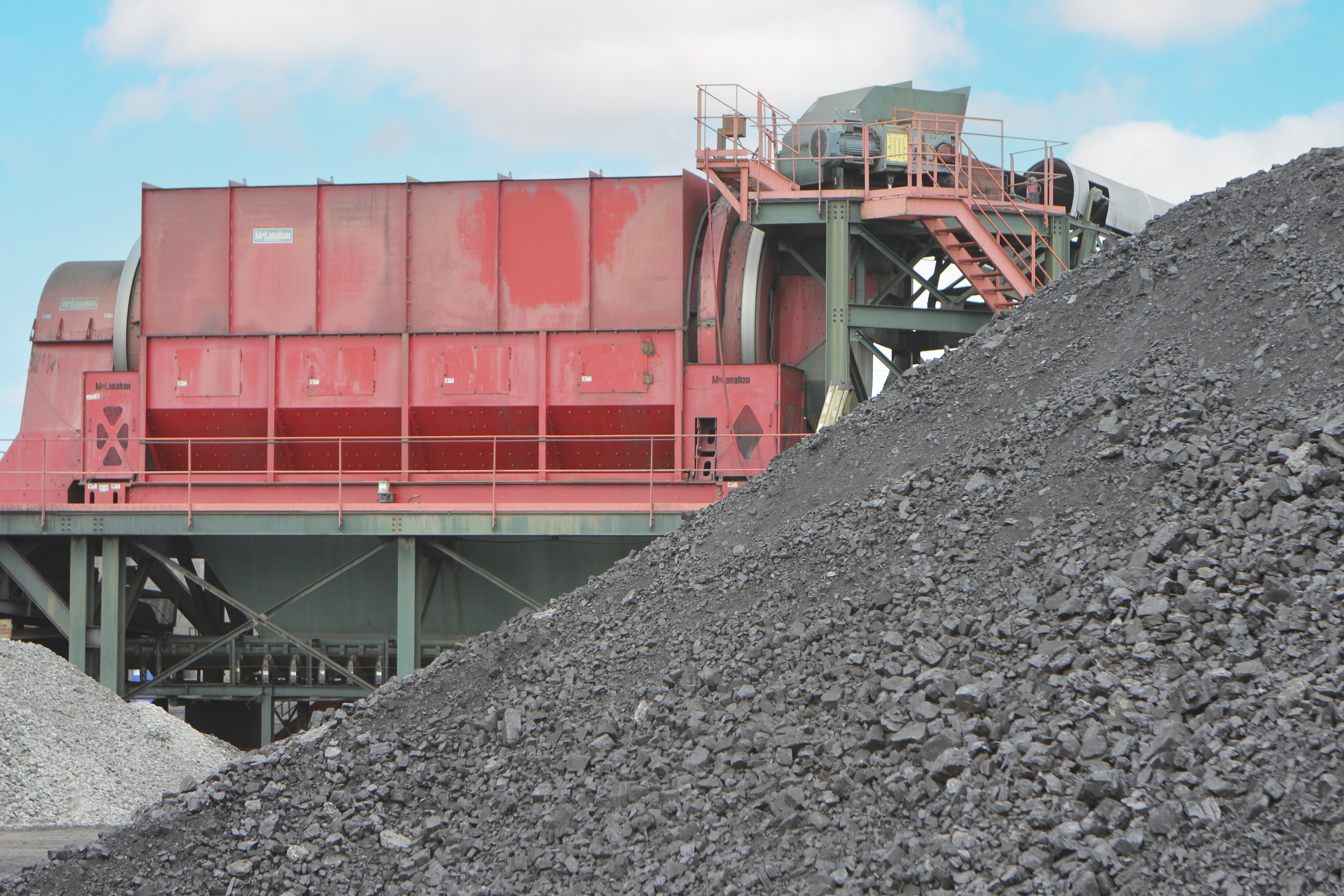
Screening and sizing coal helps to remove debris and other unwanted materials and ensures the final product meets the required specification. During this stage, the materials pass through different screen apertures to classify particles by their size. Suitable types of screens can include Horizontal Screens, Inclined Screens, MD Vibratory Screens and Rotary Trommels.

Washing & Dewatering

To remove dirt, ash, sulfur, rock, and other materials or impurities on ROM coal, McLanahan offers washing equipment that liberates this deleterious material, increasing the heating value of the coal. Removing these impurities increases the quality of the coal and its efficiency, as well as its price. It also reduces the coal’s overall mass, which in turn reduces shipping costs and provides the end user with a coal product that is easier to handle. McLanahan's washing and dewatering equipment solutions offer producers a way to remove deleterious material from their coal stream, as well as provide a drier product for further processing steps and quicker resale.

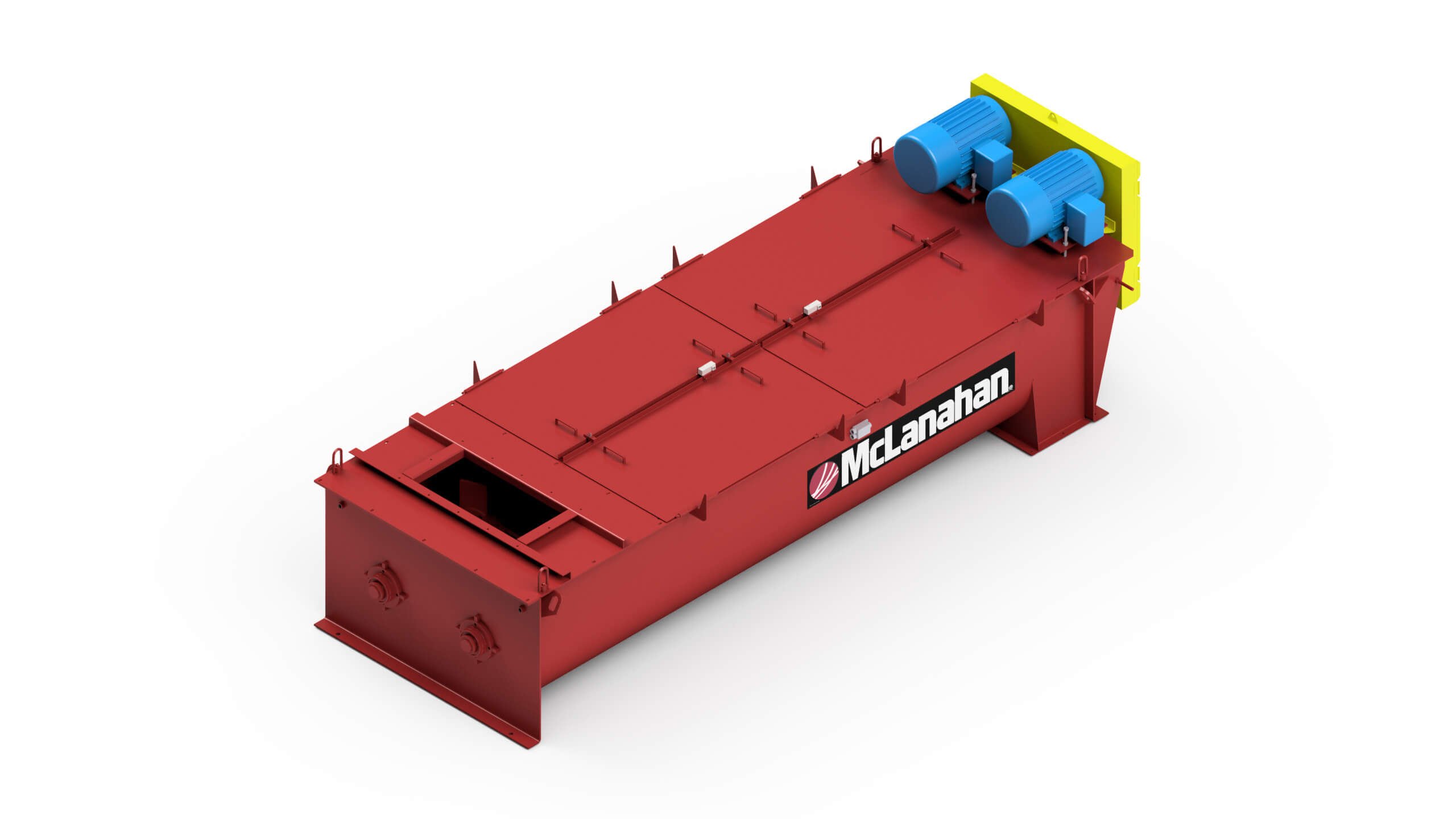
Suitable equipment that can be used for washing and dewatering can include Dewatering Screens, Hydrocyclones and Screw Washers.

Westmoreland Kemmerer

Sampling

Coal producers can monitor the quality of their raw coal, refuse and clean coal at various stages of processing by automatically extracting a sample from a product stream, stockpile or container at timed sequences as specified by the operator. This allows producers to measure the ash, moisture, sulfur and other elemental contents of their coal to ensure they are shipping a consistent, quality product. Automated sampling systems provide a more accurate representative sample, while also creating a safer sampling environment. Many coal producers or suppliers need to provide guarantees on coal quality. McLanahan sampling equipment can help with this process, ensuring accurate, unbiased material samples.

Suitable equipment that can be used for sampling can include Cross-Belt Samplers, Falling Stream Samplers and Multi-Stage Sampling Systems.

Tailings and Water Management

There are many environmental regulations that can affect the coal industry. Producers face the challenge of remaining compliant and finding solutions to manage their tailings. Tailings and water management equipment can help to reduce the amount of fine coal going into waste streams such as tailings ponds. The removal of the fine coal particles, can also help to create reusable process water, minimizing the amount of fresh water needed by the plant.

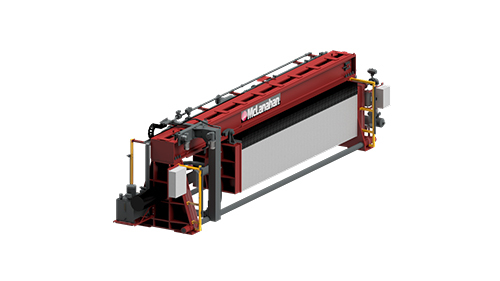
Suitable equipment for tailings and water management can include Filter Presses and Thickeners

What are the types of coal and how are they used?

The application for a coal deposit is dependent on the type of coal, carbon content and its British Thermal Unit (BTU). Coal is broken down into four primary types – lignite, subbituminous, bituminous and anthracite. The carbon content is the amount of energy/heat the coal can generate. The measure for heat or thermal energy known as BTU. This is the energy required to heat or cool 1 lb of water by 1°F. Coal with a lower BTU burns faster and contain less energy (or heat) than harder coals with a higher BTU.

Types of coal

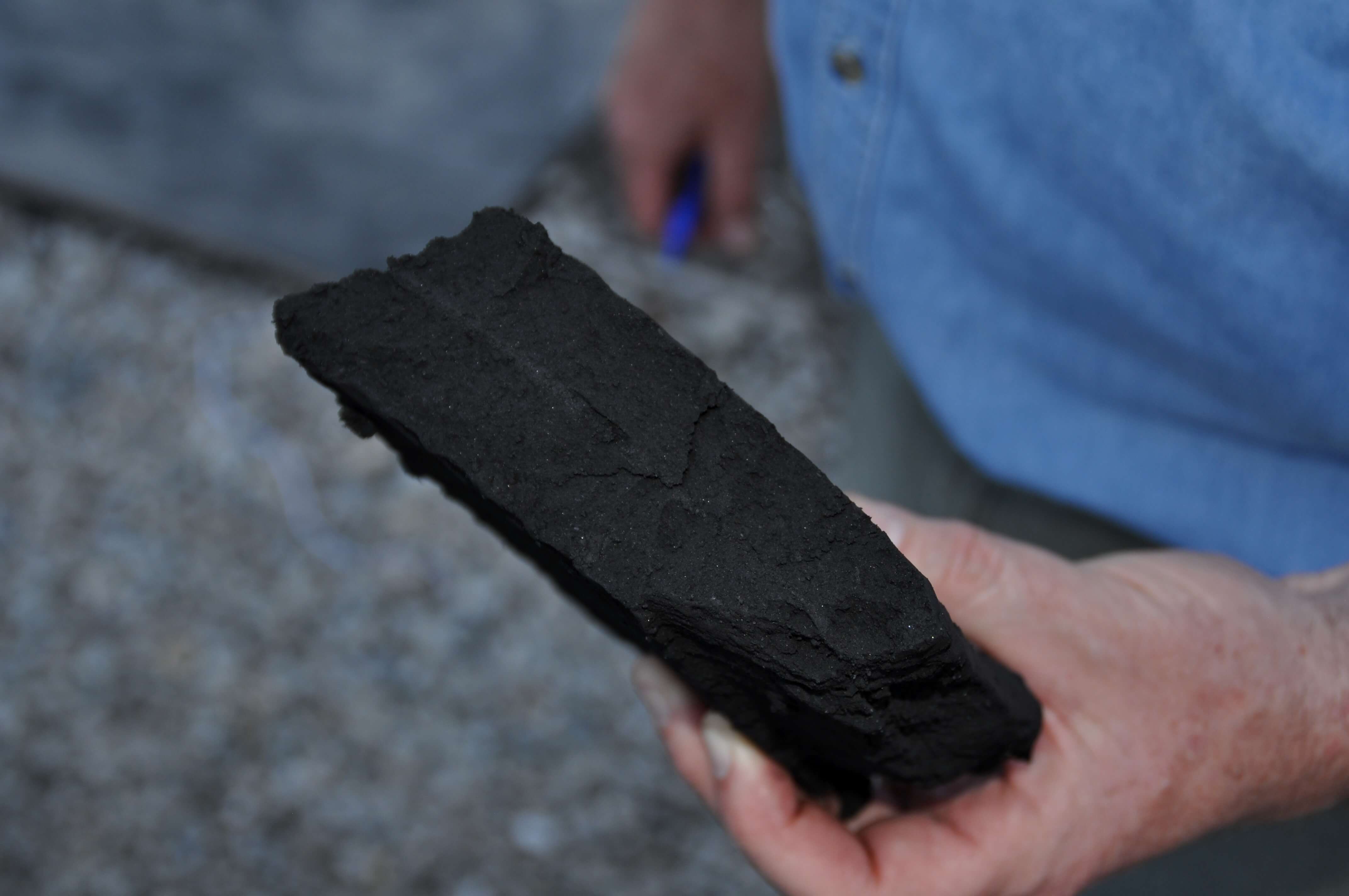
Lignite, also known as brown coal for its brownish-black appearance, has a low carbon content between 25-35% and has low energy generation potential. Lignite is commonly used for electricity generation in power plants and when burned, the steam that is generated is then converted into electricity.

Sub-bituminous coal is a cross between lignite and bituminous coal. It has a higher carbon content than lignite (approximately 35-45%) and is still commonly used for power generation and in other industrial processes such as rotary kilns.

Low-grade bituminous coal is used for power generation just like lignite and sub-bituminous coal. This type of coal used for industrial heating.

High-grade bituminous coal is a dark, dense material that is commonly used for power generation across the steel and cement industries. It is used in the production of petroleum coke – a key component in steel production.

Bituminous coal has a carbon content varying from 45% for lower grade material to 86% for higher grade material.

Anthracite has a high carbon content varying between 86-97%. It has a dark and glossy appearance and is mostly used in an industrial setting due to its high heat value. Anthracite is typically used in the metals industry and accounts for a small percentage of coal production worldwide.

Armstrong Coal Revives Mines with McLanahan Rotary Breakers

Learn More

Benefits of working with McLanahan

IMG 8973

Limit fines generation

Coal fines can create dust pollution and runoff contamination if left unmanaged. Choosing equipment that can minimize fines will help to control quality issues, environmental concerns and decrease waste disposal costs. McLanahan crushers, sizers and rotary breakers can take the coal producer through all stages of the crushing process, from initial reduction in the primary stage to further reduction and refinement in the secondary and tertiary stages, all while minimizing the generation of dust and fines.

Primary Cross Belt

Ensure product quality

Manual material collection by site personnel increases the potential for sample bias, which can result in lower sample quality. Automated sampling streamlines the collection process, eliminating the need to pause production. McLanahan’s line of mechanical Sampling Systems allows coal producers to monitor the quality of their raw coal, refuse and clean coal at various stages of processing. Automated sample collection allows producers to achieve consistent results, ensuring coal samples are of the highest quality.

Filter Press

Reduce dam size and recover reusable process water

Water recovery offers several benefits such as regulatory compliance and reduced water consumption. Producers can improve their social license to operate in the region and mitigate risk associated with large tailings dams. McLanahan equipment can reduce the amount of fine coal waste that is destined for the tailings dam or gob pile by converting it into a dewatered, drip-free product that is safer and easier to handle. Water that is free of the fine coal material can then be reused in the plant, minimizing, or even eliminating, the need for fresh water.